

What To Look For When Choosing a DJ and Saxophonist for a Wedding in Melbourne
Would you believe that your DJ and sax player can set the tone of your wedding?
The duo’s showmanship can simply turn a nice reception into a memorable wedding experience, while a wrong choice can leave the dance floor empty and the night feeling flat.
When couples understand the benefits of hiring a DJ with saxophone, they quickly see why this combination stands out.
It delivers the structure and flexibility of a DJ while adding the emotion, presence, and live energy that only a saxophonist can bring.
While Melbourne has a thriving live music and events scene, it also has specific considerations and processes.
With this, you can get both quality and performer style.
Reach your wedding vision, as this post focuses on practical criteria, a clear process you can follow from shortlisting, booking, and Melbourne-specific considerations.
Understanding the DJ–Saxophonist Dynamic
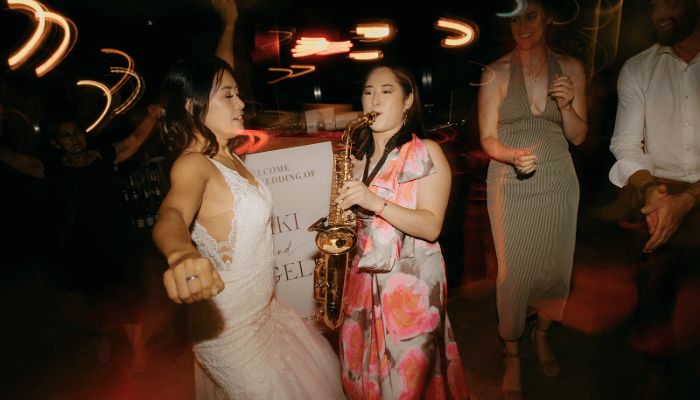
A DJ and a saxophonist working together is perfect at weddings , it smoothly blends the flexibility of a DJ with the charm of live perfromance making your wedding celebrations memorable.
Here’s how couples use this combo:
- If you want a smooth, melodic tunes during the ceremony prelude or cocktail hour, then a sax solos can play this part.
- A DJ can handle the must-plays during dinner, transition music, making sure energy is steady but not overpowering conversation
- During party sets, the DJ drops house, funk, R&B, or pop while the saxophonist roams the dance floor playing over the top, including popular songs that a DJ with a saxophonist might play to keep guests engaged.The tandem’s success heavily depends on how well they coordinate.
In Melbourne, reception venues range from large warehouses to intimate wine bars, and for a luxury wedding, this level of coordination truly matters.
Key Criteria for Choosing Your Wedding DJ

1. Experience and Track Record
What you should look for if the general DJ experience isn’t enough for your wedding?
Wedding-specific experience:
Ask how recently they do weddings and how many they’ve done recently? Take note that weddings require timing around speeches, MC-ing, and proper coordination with other wedding vendors in a way clubs and bars don’t.
Melbourne venue familiarity:
A DJ who knows your venue is a real asset. It’s easier for them to know where to set up as they have a background of the access points, layout, and acoustics.
Proof of performance:
You can request a track list or full-length video of past weddings (not just short highlight reels) and check out the references from word of mouth (feedback loop) or couples whose styles same as yours. This is to ensure you won’t get any wedding music mistakes or be anyon’es “practice wedding”. You can choose someone whom you can entrust your celebration.
Someone who knows how to handle different crowds, timelines, and unexpected complications.
2. Musical Versatility and Knowledge
Wants a wedding DJ whose a musical chameleon?
Range of genres:
They should know their mission. being able to cover different music genres from old-school classics, 80s/90s, R&B, house, Top 40, cultural music, etc.
Ability to read the room:
A great DJ reads the dance floor and adjusts on the fly, not just relying on a pre-made music lineup.
Request and “do-not-play” management:
Clarify how they handle guest requests and where they draw the line. Having a do-not-play list (songs or artists you never want to hear) is just as important as your must-play list.
Music planning tools:
Most professional DJs now use shared playlists or portals so couples can customise the wedding playlist, mark key moments like the entrance, first dance and share thoughts easily.The ultimate DJ goal is to build your night according to your taste.
3. Personality and Energy Level
No need to be best friends with your DJ, but a professional relationship will give you benefits.
On-mic style:
Do you prefer an energetic hype type who ramps up the crowd and does a bit of MC-ing, or a subtle one who speaks only when necessary?
Energy match:
Do you have a classy vision? Like a candle-lit dinner with a late-night party, like a “cheesy banter” DJ may feel off, or a low-key DJ may shut down the energy?
How they handle quiet patches:
For wedding parties, check how your DJ respond when people aren’t dancing.
Do they use tried-and-true “floor fillers”, chat and encourage guests or gently change genres?Want someone whose personality and energy feel like a natural extension of your wedding style, and keep your loved ones engaged.
4. Technical Excellence
You know what? A sound system that is set poorly will take down even the best playlist, and its gonna be a waste.
Equipment quality:
Check the audio equipment, the DJ controller/mixer, the brand and type of speakers, and whether they bring a subwoofer and microphones, especially for speeches.
Backup systems:
Do they have a plan B in case a laptop fails, the power goes off, or if they have extra cables and a mic?
Outdoor setups:
Since most Melbourne weddings are outdoor, like a garden, rooftop, or at wineries, they require more precise wedding planning to avoid sound getting lost in the air or ambient noise and drowned out by the wind.
Venue-specific setup:
Best to ask your DJ if they’re familiar with using in-house gear, if needed as some venues have strict sound limits and systems.
Better exercise caution and have proper industry knowledge to make sure you bring a complete system to avoid hassle.
Your professional DJ should be capable of educating you about their clear setup in simple language and guarantee that they are reliable.
5. Communication and Professionalism
You should start assessing for professionalism at the first inquiry.
Clear process:
Check right-away the entertainment package, if they have a structured way of gathering information, such as rolling questionnaires, planned meetings, and running sheet reviews.
Responsiveness:
Have reasonable reply times to inquiries, especially on weeks leading up to your wedding day.
Written agreement:
Must have a proper contract with full details on what is included, fees, times, and contingencies to make sure you’re within the wedding budget and plan.
Insurance and compliance:
Public liability insurance and compliance with venue requirements (e.g., test and tag, noise limits).
The key part of your vendor team is your DJ. Must be reliable, proactive communication means fewer to no issues.
Ensuring DJ–Saxophonist Compatibility

1. Pre‑Booking Communication
If you’re planning to have a separate booking, make time for them to connect before closing the deal.
Make a friendly introduction Ask if they’ve worked together before Confirm if they’re comfortable with collaboration and shared setup.
If you’re booking under one supplier, go and ask if the DJ and saxophonist have worked before or if it’s a mix-and-match team.
2. Coordination and Run Sheet Planning
Once both are booked:A detailed run sheet must be shared with both performers
Marking exactly when the saxophonist will be playing (e.g., 30 minutes during canapés, 45 minutes during party set 1, 30 minutes during party set 2)
Confirm who controls the timing of the key moments, such as wedding party entrance, first dance, cake cutting, bouquet and final song.
It’s perfect if everyone knows their turn to be the lead or when they will be supporting.
3. Repertoire and Style Alignment
Ask them to speak specifically about:
Song choices for sax feature moments:
Know the tracks that work great with live sax over DJ like wedding songs, dance lines, music genres like house, disco, or pop remixes.
Keys and tempos:
Your DJ should be mindful of selecting versions in keys your sax player is comfortable with, especially if there are planned solos.
Improvisation boundaries:
Make sure your preferences are clear, as some couples want tight arrangements, while others love free-flowing solos or having wedding trends.
What’s mentioned above guarantees your celebration feels more cohesive than feeling like it’s two separate acts.
4. Technical Rehearsal and Sound Check
On the day:
Must have enough time for a joint sound check, around 30 to 45 minutes, so both can test levels together.
Test volume balance between tracked music and live sax.
Confirm the performer’s position and how your saxophone player should move through the room.
A brief and well-planned sound check guarantees less risk of awkward transition, ambiance and feedback.
Vetting, Reviews and Red Flags

1. Questions to Ask a DJ
Examples of useful questions:1. “How many weddings have you done, and how many in Melbourne specifically?”
- “Have you worked at your venue before?”
- “How do you plan music with couples, and how do you handle requests and do‑not‑play lists?”
- “What does your standard package include in terms of hours and equipment?”
- “What backups and contingency plans do you have?”
2. Questions to Ask a Saxophonist
Helpful questions include:
- “How often do you play weddings, and which parts of the day do you normally cover?”
- “Can I see full live videos (not just highlight edits)?”
3.“Can you comfortably play your key songs/genres?”
- “How do you usually work with DJs?”
- “What is your setup and what do you need from the venue or DJ?”
The goal is to guarantee they deliver what you’re imagining.
3. Where to Look for Reviews and Proof
Use:1. Google reviews, focusing on recent reviews and those mentioning similar venues or styles
- Wedding platforms and directories
- Social media pages where couples tag them in real wedding posts
- Direct references—don’t be afraid to ask to speak with a past client
Keep an eye out for consistent patterns in feedback about professionalism, the atmosphere they created and communication.
4. Red Flags to Watch For
Be cautious if you notice:
- No contract or resistance to providing one
- Vague answers about equipment, timing, or backup plans
- No genuine wedding footage or reviews
- Poor communication or long delays in replying, especially close to your date
- Unwillingness to adapt to your music preferences
- No clear plan for collaboration with your other vendors
If your gut feels something is off, then it’s worth exploring other options.
5. Green Flags and Good Signs
Positive signs include:
- Clear, confident explanation of their process from enquiry to event
- Prompt, professional communication
- Willingness to tailor the night to your taste while offering expert guidance
- Detailed, transparent quotes and contracts
- Demonstrated familiarity with Melbourne venues and conditions
- Genuine excitement about your music choices and wedding style
Having said this, you, your family and your entire guest lists are leading to an unforgettable wedding experience.
Frequently Asked Questions
Should I book them together or separately?
Booking under one provider guarantees better compatibility and easier coordination. While booking separately will give you wider options but may require extra effort to ensure they work well together so you’ll get the best wedding professional and sax wedding experience.
What if they haven’t worked together before?
As long as both are professionals and willing to collaborate. Ensure to arrange joint calls, email threads, and shared communication so they can discuss repertoire, setup and run sheet.
Can a saxophonist play during the ceremony?
Yes! More couples are now using sax as a pre-ceremony ambience, signing, recessional songs and processional music. Also, depending on your music budget and how you want to maintain the dance party, you may still want another music source, such as a DJ or a track for variety.
How much should I budget overall?
Entertainment is indeed the most impactful investment. A combined DJ + saxophonist cost is significant but worth it as part of your reception budget, mostly if you value a top party atmosphere and showmanship.
What happens if equipment fails?
As a professional, they should have contingency plans. Confirm this before finalising your booking to guarantee an articulate and clear response.
Do I need both a DJ and an MC?
Most DJs now can handle both, playing music to keep the dance floors alive and doing MC on the side. Either you have a professional MC or someone close to you, just talk to your DJ for proper handling.
Let that wedding band shine, with the help of your professional wedding vendors/partners.